
Introduction
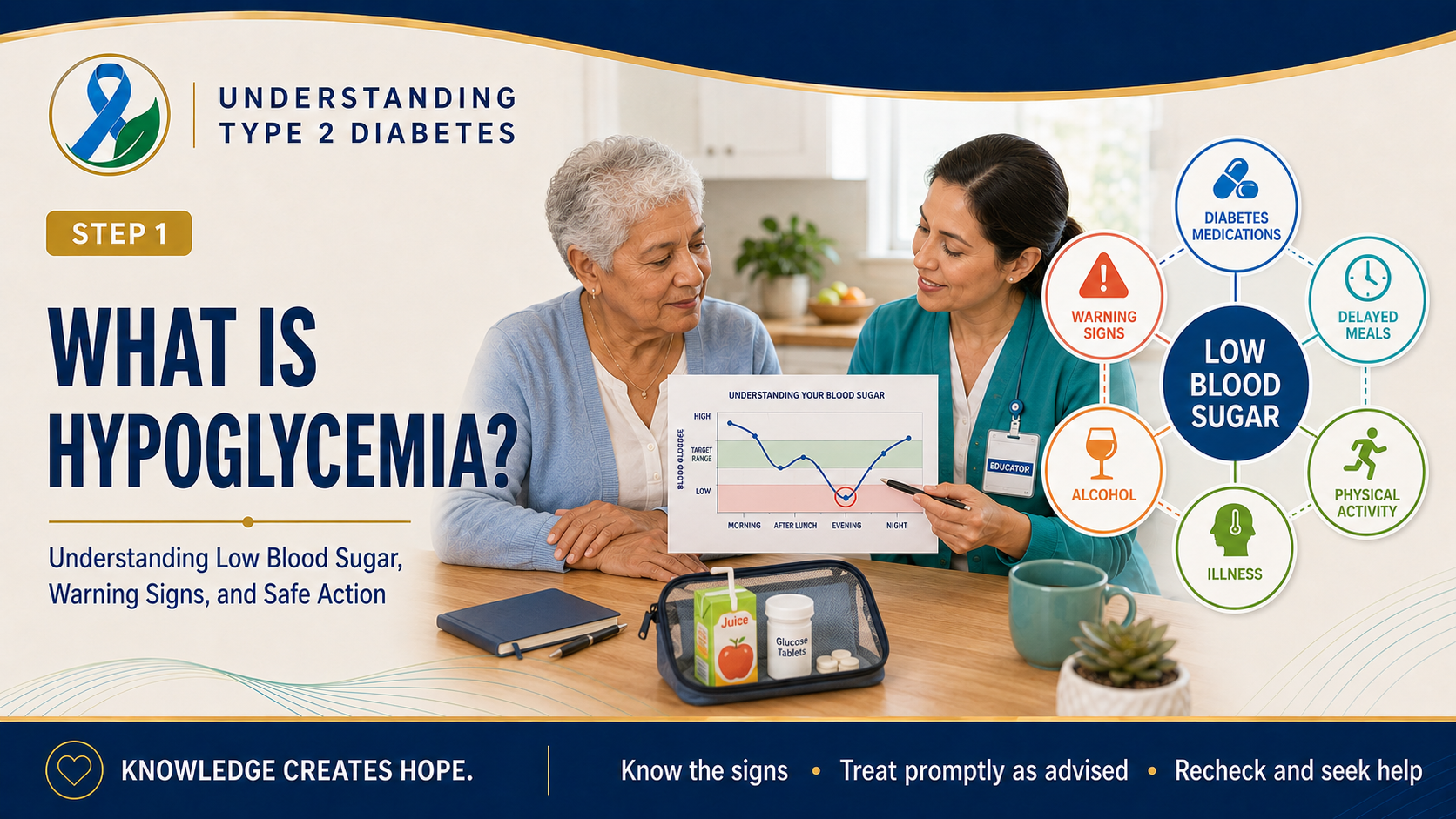
Hypoglycemia is a condition in which a person's blood sugar levels fall below 70 mg/dL. (Hypoglycemia - Symptoms and causes, 2023) This can happen suddenly and without warning, leading to a range of symptoms, including dizziness, confusion, blurred vision, shakiness, excessive sweating, and hunger. Learn about the causes and treatments for hypoglycemia here. There are two types of non-diabetic hypoglycemia – ‘fasting hypoglycemia’ and ‘reactive hypoglycemia’.
Fasting Hypoglycemia
A person is diagnosed with fasting hypoglycemia if their blood test shows that their blood glucose level has gone below 50 mg/dL. (Hypoglycemia - Endocrinology - Merck Manual Professional Edition, 2024)
The National Institute of Diabetes and Digestive and Kidney Diseases is a great source of additional information and provides considerably more detail than I can here.
For non-diabetics who have fasting hypoglycemia, the symptoms may manifest due to a serious illness, and/or several factors can cause this. These include:
- Fasting hypoglycemia may occur in people who have not eaten for 8 hours or more.
- Taking herbal supplements such as cinnamon, ginseng, and fenugreek.
- Binge drinkers may experience alcohol-induced hypoglycemia if they have not eaten anything for the preceding 24 hours. Alcohol-induced fasting hypoglycemia is one grave complication of alcohol intoxication and, without prompt treatment, may lead to coma or death. (DO & MD, 2022)
- Medications such as salicylates and other types of pain relievers and antibiotics may also cause fasting hypoglycemia. (Arena et al., 1978)
- Illnesses such as tumors in the pancreas and those that affect the kidneys, liver, and heart may also lead to fasting hypoglycemia. (Hypoglycemia - StatPearls - NCBI Bookshelf, 2023)
- Sepsis, which is a serious infection, can also cause hypoglycemia. (Shao et al., 2024, pp. 197-205)
- Hormonal deficiencies or reduced production of certain hormones, such as epinephrine, cortisol, and glucagon, can lead to fasting hypoglycemia. (Karimi et al., 2024)
While any of these can cause hypoglycemia, a combination of factors will have a compounding effect. For example, if someone is ill or has an underlying condition and is also affected by one or more of the discretionary causes, they are more likely to experience a hypoglycemic episode..
Reactive Hypoglycemia
Reactive hypoglycemia occurs when the blood glucose level goes lower than 70 mg/dl, just like people who have diabetic hypoglycemia. (Diabetic hypoglycemia - Symptoms & causes, 2024) Although the causes of reactive hypoglycemia can be different from diabetic hypoglycemia, the treatments used and the symptoms that manifest can also be similar.
The exact causes of reactive hypoglycemia are still unknown, but some experts believe that the following can be possible causes of reactive hypoglycemia: (Hypoglycemia - StatPearls, 2020)
- Having undergone surgery on the stomach, which makes the passage of food to the small intestine quicker than usual. (Dumping Syndrome - Symptoms & Causes, 2025)
- Not having enough glucagon hormones in the body. Glucagon has the opposite effect of insulin, increasing blood glucose levels. (Glucagon Blood Test, 2024)
- Excessive insulin, triggered by carbohydrate intake but persisting beyond its needed time, scavenges too much glucose from the blood. (Davis et al., 2024)
Diagnosing Non-Diabetic Hypoglycemia
Blood Test – This basic test is administered to determine whether a person is hypoglycemic. The result of this test is also used by doctors as a starting point to determine what is causing the problem.
Oral Glucose Test – This test is done after an individual has fasted for eight hours. This is when the patient will be given a glucose drink, and his blood glucose levels will be checked 1 hour and 2 hours later to determine the increase. (Glucose Tolerance Test - StatPearls - NCBI Bookshelf, 2024)
Fasting Tests – This is when a person is asked to fast overnight or, in some cases, for 72 hours. The blood sugar levels will be checked twice after an overnight fast. After the 72-hour fast, the doctor will then check whether the blood glucose level has dropped. (Hypoglycemia - Endocrinology - Merck Manual Professional Edition, 2024)
Tips to Prevent Hypoglycemia
If you are hypoglycemic, it means your blood sugar level has dropped below 70 mg/dL. If you have a history of hypoglycemia, you are probably aware that this can happen suddenly and without warning. It can happen after engaging in exercise or any physical activity. It can also occur if you skip or delay a meal.
A person may be unaware that hypoglycemia is the cause of their symptoms. If you experience symptoms of hypoglycemia under the conditions described above, take steps to check it out. Either see a doctor or buy an inexpensive blood glucose metering kit, and use it when feeling affected.
Symptoms can be varied but include shaking, fatigue, hunger, anxiety, irritability, and heart palpitations. The person may be disoriented and confused, with slurred speech, even acting as though drunk. (Hypoglycemia - Symptoms and causes, 2024)
These are all symptoms of a brain desperately short of glucose. (Hölzen et al., 2024)
Hypoglycemia can be mild, but it can also be extreme and cause coma and even death. (MD & MD, 2024) Aside from knowing the symptoms of hypoglycemia, it is equally important to know what you can do to prevent such an episode from occurring.
Get Your Free hypoglycemic PDF eBook
Get your free eBook on hypoglycemic to open the PDF.
Conclusion
Hypoglycemia is more than just “low blood sugar”—it’s a signal that the body’s glucose‑regulation system is under stress. For people living with Type 2 diabetes, episodes of low blood sugar often reflect a mismatch between food intake, medication, and activity levels. Left unaddressed, these swings can contribute to fatigue, confusion, and long‑term metabolic instability. The encouraging news is that with consistent habits, mindful eating, and appropriate medical guidance, most people can dramatically reduce the frequency and severity of hypoglycemic episodes. Understanding the early signs and responding quickly helps protect long‑term health and supports a more stable, energized daily life.
Author's Note
I wrote this post to help you understand what hypoglycemia really is—and why it matters—without fear or confusion. Many people with Type 2 diabetes experience low blood sugar at some point, yet it’s rarely explained in a clear, practical way. My goal is to empower you with knowledge so you can recognize symptoms early, make informed choices, and work with your healthcare team to stay safe and steady. You deserve clarity, confidence, and a path toward better health—one step at a time.
---- Robert
Continue The Conversation
Every wellness journey is unique, and we can learn a great deal from one another's experiences.
What stood out to you in this article?
Have you faced similar challenges, discovered helpful strategies, or gained insights of your own?
I invite you to share your thoughts in the comments below. Your experience may encourage someone else who is taking the next step on their own journey.
Remember, meaningful change often begins with a single step—and none of us has to walk the path alone.
Reference List
- American Diabetes Association. Standards of Medical Care in Diabetes—2024. Diabetes Care.
- Cryer PE. Hypoglycemia in Diabetes: Pathophysiology, Prevalence, and Prevention. American Journal of Managed Care.
- Seaquist ER et al. Hypoglycemia and Diabetes: A Report of a Workgroup of the American Diabetes Association and the Endocrine Society. Diabetes Care.
- Mayo Clinic Staff. “Hypoglycemia: Symptoms and Causes.” Mayo Clinic.
- National Institute of Diabetes and Digestive and Kidney Diseases (NIDDK). “Low Blood Glucose (Hypoglycemia).”
- Harvard T.H. Chan School of Public Health. “Carbohydrates and Blood Sugar.”
- (2023). Hypoglycemia - Symptoms and causes. Mayo Clinic. https://www.mayoclinic.org/health/hypoglycemia/DS00198
- (2024). Hypoglycemia - Endocrinology - Merck Manual Professional Edition. Merck Manual Professional Edition. https://www.merckmanuals.com/en-us/professional/endocrine-and-metabolic-disorders/diabetes-mellitus-and-hypoglycemia/hypoglycemia
- DO, G. F. & MD, R. O. (2022). Alcohol Toxicity and Withdrawal. MSD Manual Professional Edition. https://www.msdmanuals.com/en-gb/professional/special-subjects/illicit-drugs-and-intoxicants/alcohol-toxicity-and-withdrawal
- Arena, F. P., Dugowson, C. & Saudek, C. D. (1978). Salicylate-Induced Hypoglycemia and Ketoacidosis in a Nondiabetic Adult. Arch Intern Med. 1978;138(7):1153–1154. https://doi.org/10.1001/archinte.1978.03630320085031
- (2023). Hypoglycemia - StatPearls - NCBI Bookshelf. StatPearls Publishing. https://www.ncbi.nlm.nih.gov/books/NBK534841/
- Shao, Y., Shao, F., Zhou, J., Fang, S., Zhu, J., & Li, F. (2024). The association between hypoglycemia and mortality in sepsis and septic shock: A systematic review and meta-analysis. Acute and Critical Care 33(3), pp. 197-205. https://doi.org/10.17219/acem/166656
- Karimi, R., Yanovich, A., Elbarbry, F. & Cleven, A. (2024). Adaptive Effects of Endocrine Hormones on Metabolism of Macronutrients during Fasting and Starvation: A Scoping Review. Metabolites 14(6). https://doi.org/10.3390/metabo14060336
- (2024). Diabetic hypoglycemia - Symptoms & causes. Mayo Clinic. https://www.mayoclinic.org/diseases-conditions/diabetic-hypoglycemia/symptoms-causes/syc-20371525
- (2020). Hypoglycemia - StatPearls. StatPearls Publishing. https://www.ncbi.nlm.nih.gov/books/NBK534841/
- (2025). Dumping Syndrome - Symptoms & Causes. Mayo Clinic. https://www.mayoclinic.org/content/mayoclinic/en/diseases-conditions/dumping-syndrome/symptoms-causes/syc-20371915
- (2024). Glucagon Blood Test. MedlinePlus. https://medlineplus.gov/lab-tests/glucagon-blood-test
- Davis, H. A., Spanakis, E. K., Cryer, P. E., Siamashvili, M., & Davis, S. N. (2024). Hypoglycemia During Therapy of Diabetes. Endotext. https://doi.org/10.1056/NEJMra1901100
- (2024). Glucose Tolerance Test - StatPearls - NCBI Bookshelf. StatPearls - NCBI Bookshelf. https://www.ncbi.nlm.nih.gov/books/NBK532915/
- MD, F. C. & MD, E. D. (2024). Acute Hypoglycemia: Practice Essentials, Background, Treatment. Medscape. https://emedicine.medscape.com/article/767359-overview
- (2024). Hypoglycemia - Symptoms and causes. Mayo Clinic. https://www.mayoclinic.org/health/hypoglycemia/DS00198
- Hölzen, L., Schultes, B., Meyhöfer, S. M. & Meyhöfer, S. (2024). Hypoglycemia Unawareness—A Review on Pathophysiology and Clinical Implications. Biomedicines 12(2). https://doi.org/10.3390/biomedicines12020391