
Introduction
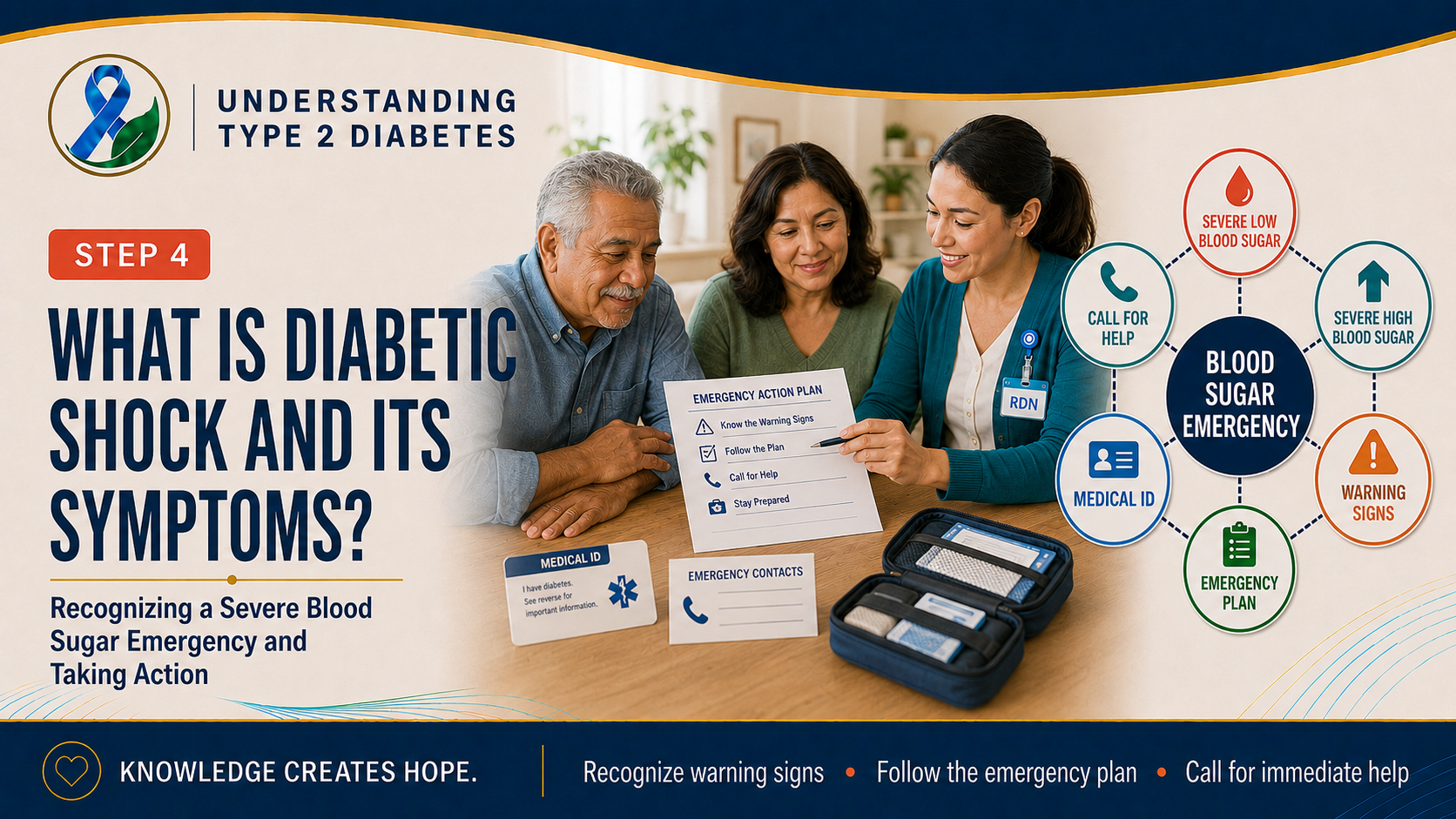
Simply stated, diabetic shock is the extreme result of hypoglycemia. It is almost always due to excess insulin in the system because of medication. For this reason, it mostly affects type 1 diabetics; there are circumstances where some type 2 diabetics require insulin. (PhD & FACP, 2025)
There are also some non-insulin medications that can cause some level of hypoglycemia. Type 2 diabetics in these circumstances are therefore at some risk of suffering from hypoglycemia and, ultimately, diabetic shock. (Association, 2005, pp. 2948-2957)
Be sure to read my post, which explains in great detail diabetes and diabetic shock, at https://www.diabetesselfcaring.com/what-to-do-if-someone-goes-into-diabetic-shock/How to Treat Diabetic Shock.
Insulin, Glucose and Diabetes
When you eat or drink anything that contains carbohydrates, those carbs you consume are converted into glucose. Glucose is a sugar that your body uses as an energy source for cellular function in many different bodily processes. (Hantzidiamantis et al., 2024)
Insulin is a hormone that your body releases in response to glucose becoming available after digesting a carbohydrate, facilitating the proper use and/or storage of the glucose. (Norton et al., 2022)
Having type 1 diabetes means you don't produce enough insulin. If you have type 2 diabetes, your cells are not able to respond to insulin efficiently. (MD, 2026)
In either case, there is a problem with this important hormone and how it helps you maintain healthy blood glucose levels. Blood glucose levels will remain persistently elevated due to insulin deficiency or inefficiency, leading to glucose not being taken up by cells that normally use it. (Insulin Resistance - StatPearls, 2023)
Type 1 diabetics require regular insulin injections to overcome the lack, as their body does not produce it. Type 2 diabetics are encouraged to make lifestyle changes to overcome their condition. If the condition is advanced, medication may be required. Non-insulin medications are generally applied, but in very advanced cases, insulin supplementation may be necessary. (Staff, 2024)
How Does Diabetic Shock Happen?
Insulin is a very powerful hormone. Type 1 diabetics learn to judge their required dosage based on their own specific variables, including diet and physical activity. However, dosage errors can occur. This could be due to over-medication, poor diet, stress, illness, or some other set of factors. Often, it is a combination of these aspects. (Association, 2004)
If more insulin is in the bloodstream than is required, glucose will be scavenged too efficiently, causing hypoglycemia. Hypoglycemia is a condition in which you don't have enough glucose in your blood. (Hypoglycemia - Endotext, 2025)
Mild hypoglycemia can occur if you have diabetes and forget to eat after taking an insulin shot or medication. If you are physically active for long periods and don't eat, you can also experience low blood sugar. When these factors are combined, their effects compound. (Low Blood Sugar (Hypoglycemia) | Diabetes | CDC, 2024)
Glucose is important for your cells to function normally. It supplies energy for multiple body processes, including brain function. Too little glucose for a brief period can make you tired and dizzy, and can elevate your heart rate. You could experience mild hunger or aggression, and mental confusion. (Hypoglycemia - Symptoms and causes, 2024)
If your hypoglycemic condition has gone on for an extended period and has not been attended to, you risk experiencing diabetic shock. This can lead to seizures, unconsciousness, and sometimes a coma. This degree of hypoglycemia has the potential to cause permanent damage or impairment. (Diabetic coma - Symptoms & causes, 2024)
The major point here is not to let the person go into diabetic shock, as there are Diabetic shock treatments that you can do immediately. However, remember it is always better to prevent than to treat.
Conclusion
Diabetic shock is a medical emergency because the brain and vital organs cannot function without enough glucose. When blood sugar drops too low, symptoms can escalate from mild confusion to seizures or unconsciousness in a short period of time. (Hypoglycemia - Symptoms and causes, 2023) Recognizing the early warning signs — shakiness, sweating, sudden hunger, irritability, or difficulty thinking — gives you the chance to act before the situation becomes dangerous. (Diabetic hypoglycemia - Symptoms and causes, 2025) Understanding what diabetic shock is and how it develops prepares you to respond quickly, protect your health, and prevent a crisis from becoming life‑threatening.
Author's Note
This article was created to help you clearly understand the symptoms of diabetic shock and why they matter. Many people living with diabetes experience low blood sugar episodes without realizing how quickly they can progress. My goal is to give you knowledge that builds confidence, not fear — and to support you as you learn to recognize your body’s signals. When you understand what’s happening inside your body, you’re better equipped to stay safe, steady, and in control of your health.
---- Robert
Continue The Conversation
Every wellness journey is unique, and we can learn a great deal from one another's experiences.
What stood out to you in this article?
Have you faced similar challenges, discovered helpful strategies, or gained insights of your own?
I invite you to share your thoughts in the comments below. Your experience may encourage someone else who is taking the next step on their own journey.
Remember, meaningful change often begins with a single step—and none of us has to walk the path alone.
Reference List
American Diabetes Association. (n.d.). Hypoglycemia (Low Blood Glucose): Symptoms & Emergency Response.
Centers for Disease Control and Prevention. (n.d.). Low Blood Sugar: Signs, Causes, and What To Do.
Mayo Clinic. (n.d.). Hypoglycemia: Symptoms, Causes, and Complications.
National Institute of Diabetes and Digestive and Kidney Diseases (NIDDK). (n.d.). Low Blood Glucose (Hypoglycemia).
Cleveland Clinic. (n.d.). Understanding Severe Hypoglycemia and Diabetic Shock.
H., O., & K., R. (2025). Hypoglycemia: Background, Pathophysiology, Etiology. [Details on insights omitted for standardization]
American Diabetes Association. (2005). Hypoglycemia in type 2 diabetes. Diabetes Care, 28(12), 2948-2957. https://doi.org/10.2337/diacare.28.12.2948
Hantzidiamantis, P. J., Awosika, A. O. & Lappin, S. L. (2024). StatPearls. (n.d.). Physiology, Glucose. StatPearls - NCBI Bookshelf. https://www.ncbi.nlm.nih.gov/books/NBK545201/
Norton, L., Shannon, C., Gastaldelli, A., & DeFronzo, R. A. (2022). Insulin: The master regulator of glucose metabolism. Metabolism: Clinical and Experimental, 129, Article 155142. https://doi.org/10.1016/j.metabol.2022.155142
F., E. (2026). Type 1 Diabetes Mellitus - Endocrinology. Merck Manual Professional Edition. https://www.merckmanuals.com/en-ca/professional/endocrine-and-metabolic-disorders/diabetes-mellitus-and-hypoglycemia/type-1-diabetes-mellitus
StatPearls. (2023). Insulin Resistance - StatPearls. StatPearls Publishing. https://www.ncbi.nlm.nih.gov/sites/books/NBK507839/
Staff, M. C. (2024). Type 1 diabetes - Diagnosis and treatment. Mayo Clinic. https://www.mayoclinic.org/diseases-conditions/type-1-diabetes/diagnosis-treatment/drc-20353017
American Diabetes Association. (2004). Insulin administration. Diabetes Care, 27, S106. https://doi.org/10.2337/diacare.27.2007.s106
Endotext. (2025). Hypoglycemia. NCBI Bookshelf. https://www.ncbi.nlm.nih.gov/sites/books/NBK279137/
(2024). Low Blood Sugar (Hypoglycemia) | Diabetes | CDC. Centers for Disease Control and Prevention. https://www.cdc.gov/diabetes/about/low-blood-sugar-hypoglycemia.html
Mayo Clinic. (2024). Hypoglycemia: Symptoms and causes. https://www.mayoclinic.org/diseases-conditions/hypoglycemia/symptoms-causes/syc-20373685
Mayo Clinic. (2024). Diabetic coma - Symptoms & causes. https://www.mayoclinic.org/diseases-conditions/diabetic-coma/symptoms-causes/syc-20371475
Mayo Clinic. (2023). Hypoglycemia: Symptoms and causes. https://www.mayoclinic.org/health/hypoglycemia/DS00198
Mayo Clinic. (2025). Diabetic hypoglycemia: Symptoms and causes. https://www.mayoclinic.org/diseases-conditions/diabetic-hypoglycemia/symptoms-causes/syc-20371525
Disclaimer
The information provided in this article is for educational and informational purposes only and is not intended as medical, psychological, or professional advice. The content reflects general wellness principles and personal development concepts designed to encourage self-reflection and healthy lifestyle choices.
Individual circumstances vary, and readers should consult qualified healthcare professionals, mental health providers, or other appropriate experts regarding specific concerns or conditions. Never disregard professional advice or delay seeking help because of information contained in this article.
The author and publisher assume no responsibility for actions taken based on the information presented. Your health and well-being are ultimately your responsibility, and any changes to your lifestyle should be made thoughtfully and in consultation with appropriate professionals when necessary.