
Introduction
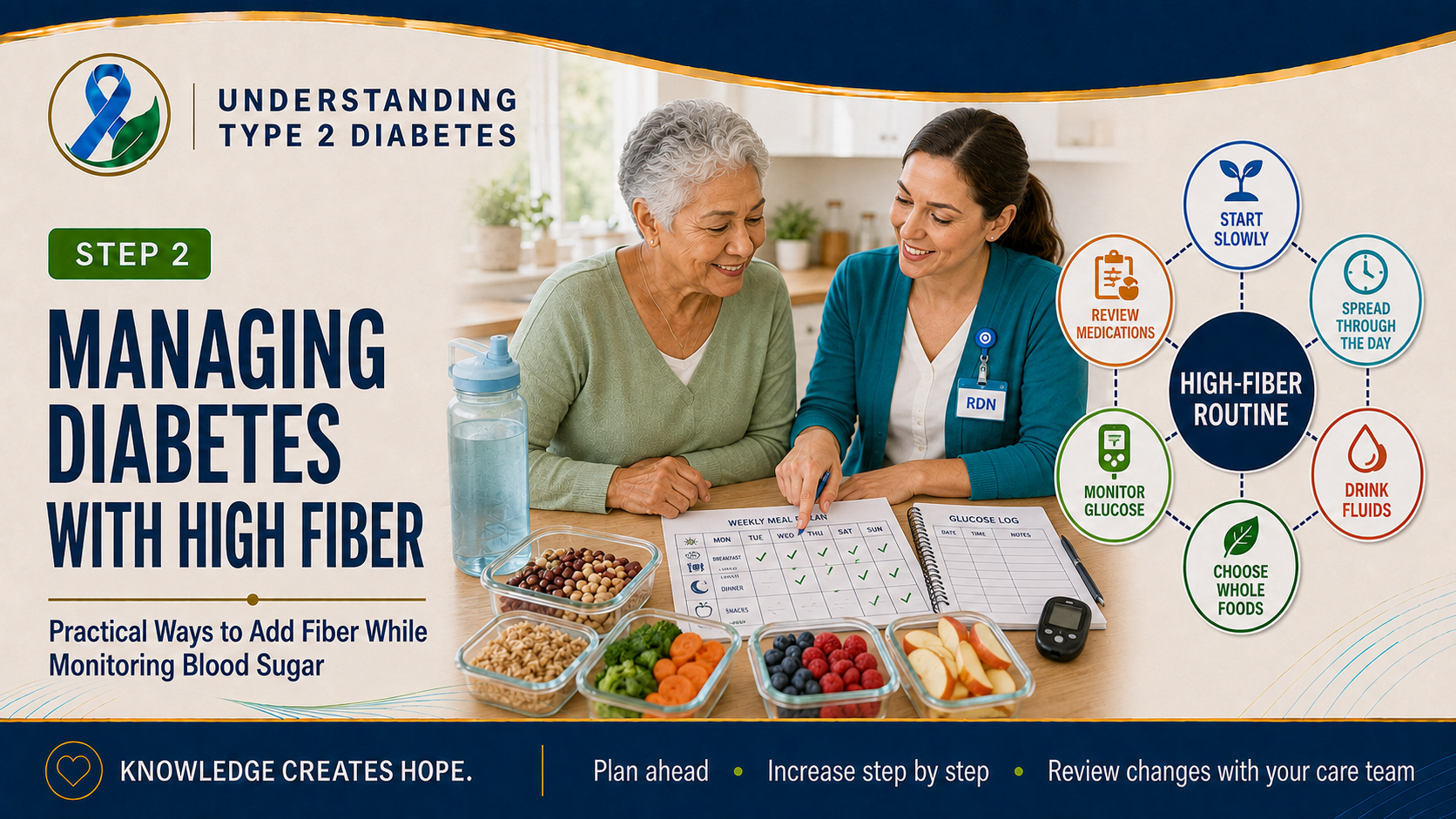
Managing diabetes with a high-fiber diet is essential for controlling blood sugar. A diagnosis of diabetes occurs when blood glucose is outside the healthy range. Without treatment, complications like nerve damage, kidney failure, and vision problems can occur. To help manage diabetes, increase fiber intake and focus on plant-based foods.
How Fiber Helps Control Blood Sugar Levels
Managing diabetes requires maintaining healthy blood sugar. Diagnosis occurs when blood glucose is outside the healthy range. Poorly managed diabetes can lead to nerve, kidney, and vision issues. Increasing fiber intake is a simple step for control. See Fiber: The Carb That Helps You Manage Diabetes.
Here is what happens when you eat fiber.
Fiber-rich foods like vegetables, fruits, and whole grains aid digestion. They contain lignin, pectin, and cellulose, which your body can't break down. Fiber relieves constipation and comes in two types: soluble and insoluble.
Soluble fiber dissolves in water and is found in beans, apples, carrots, citrus, barley, and oats. It helps lower cholesterol, supports heart health, and helps manage glucose levels. (Fiber: The Carb That Helps You Manage Diabetes, 2024)
Insoluble fiber keeps you regular and is found in whole-wheat products, wheat bran, cauliflower, potatoes, and nuts. It passes through your system mostly unchanged, carrying out waste and supporting weight management. (LDN & Norris, 2024)
Most plant-based foods offer both fiber types. Eating a variety of high-fiber foods ensures you get enough of each and supports natural diabetes management.
The Benefits of a High-Fiber Diet
People with or without diabetes benefit from fiber. Getting 25 g daily cuts stroke risk by 7%, controls blood sugar spikes, supports weight loss, and lowers kidney stone risk by 22%. (Chen et al., 2013, pp. 96-100)
Every 7 g of fiber you eat lowers your heart disease risk by 9%. Consuming 28 g daily reduces the risk of heart disease by at least 36%. (Threapleton et al., 2013)
Avoid simple carbs and eat more fruits, vegetables, nuts, and grains. Drink enough water daily. A high-fiber diet helps you stay full and prevents dangerous fluctuations in blood glucose.
Conclusion
Eating a high-fiber diet is one of the best and most sustainable ways to support blood sugar control. By slowing digestion, fiber steadies glucose release, boosts insulin sensitivity, and promotes satiety without adding extra calories. (Fiber: The Carb That Helps You Manage Diabetes, 2024) Consistently choosing whole, fiber-rich foods arms your body with what it needs to maintain balance. With diabetes management, your focus shifts from restriction toward selecting foods that work for you. Among all options, fiber remains one of your simplest and most powerful allies.
Author's Note
I wrote this guide to show how fiber supports diabetes management. Many focus on restrictions, but progress comes from adding the right foods. I hope this article provides clarity and confidence and helps you create nourishing meals for long-term health. Small, consistent changes matter.
---- Robert
Share Your Thoughts and Experiences
Comment Invitation
I’d love to hear from you.
What stood out to you in this post? What questions or experiences would you add?
Share your thoughts below — your voice helps others on their journey too.
Reference List
- American Diabetes Association. Healthy Eating and the Role of Fiber in Blood Sugar Control.
- Centers for Disease Control and Prevention (CDC). Diabetes and Healthy Eating: Fiber‑Rich Foods.
- Harvard T.H. Chan School of Public Health. Fiber and Metabolic Health.
- National Institute of Diabetes and Digestive and Kidney Diseases (NIDDK). Dietary Fiber and Blood Glucose Management.
- Mayo Clinic. High‑Fiber Foods: Benefits for Blood Sugar and Digestive Health.
- World Health Organization. Healthy Diet: Importance of Dietary Fiber.
- Threapleton, D. E., Greenwood, D. C., Evans, C. E., Cleghorn, C. L., Nykjaer, C., Woodhead, C., Cade, J. E., Gale, C. P. & Burley, V. J. (2013). Dietary fiber intake and risk of cardiovascular disease: systematic review and meta-analysis. BMJ 347. https://doi.org/10.1136/bmj.f6879
- (2024). Fiber: The Carb That Helps You Manage Diabetes. Centers for Disease Control and Prevention. https://www.cdc.gov/diabetes/healthy-eating/fiber-helps-diabetes.html
- LDN, A. S. & Norris, T. (2024). Soluble vs. Insoluble Fiber: What’s the Difference?. Healthline. https://www.healthline.com/health/soluble-vs-insoluble-fiber
- Chen, G., Lv, D., Pang, Z., Dong, J. & Liu, Q. (2013). Dietary fiber intake and stroke risk: a meta-analysis of prospective cohort studies. European Journal of Clinical Nutrition 67(1), pp. 96-100. https://doi.org/10.1038/ejcn.2012.158
- (2024). Fiber: The Carb That Helps You Manage Diabetes. Centers for Disease Control and Prevention. https://www.cdc.gov/diabetes/healthy-eating/fiber-helps-diabetes.html
Disclaimer
The information provided in this article is for educational and informational purposes only and is not intended as medical, psychological, or professional advice. The content reflects general wellness principles and personal development concepts designed to encourage self-reflection and healthy lifestyle choices.
Individual circumstances vary, and readers should consult qualified healthcare professionals, mental health providers, or other appropriate experts regarding specific concerns or conditions. Never disregard professional advice or delay seeking help because of information contained in this article.
The author and publisher assume no responsibility for actions taken based on the information presented. Your health and well-being are ultimately your responsibility, and any changes to your lifestyle should be made thoughtfully and in consultation with appropriate professionals when necessary.